Why Shirts Smell After Ironing (And How to Fix It)
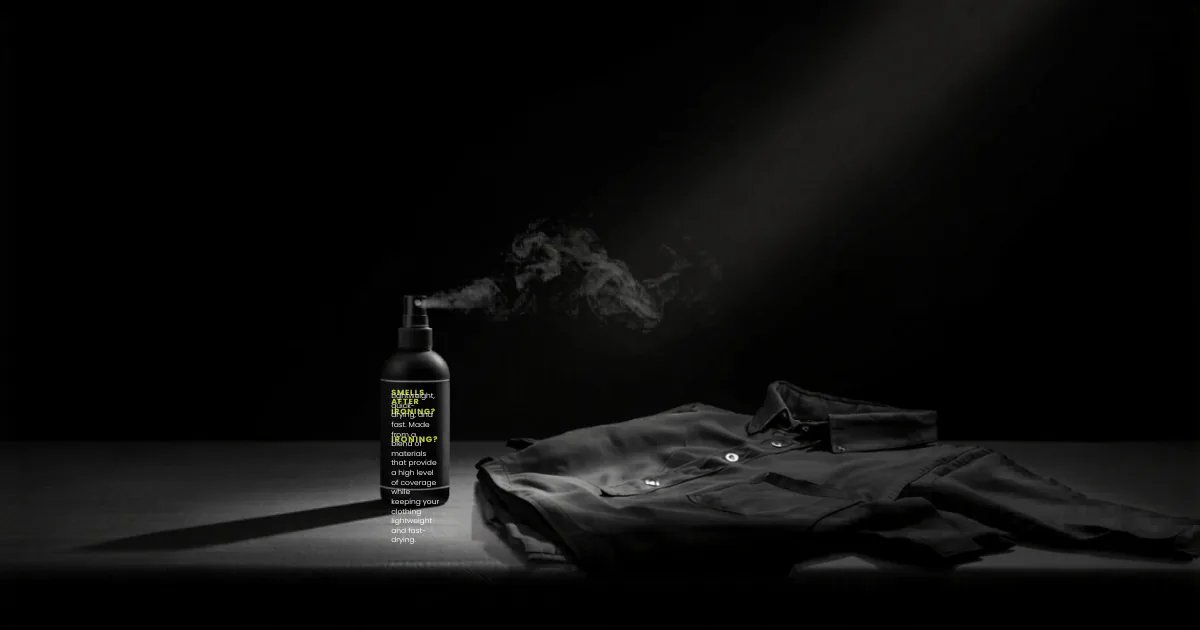
You iron a freshly washed shirt and a sour smell rises off it. The iron didn't clean the shirt — it heated trapped odor compounds and released them all at once. Here's why, and how to fix it.
Quick answer
Why does my shirt smell after ironing? Ironing heats the fabric past 120°C, which volatilises odor compounds trapped deep in the fibres and releases them all at once — so you smell them right as you lift the iron. The iron makes a shirt look crisp but doesn't remove odor. Neutralise the compounds first with a fabric odor eliminator like ODORSTRIKE, then iron.
It's a small, baffling moment: you take a clean, washed shirt to the iron, press it, and a faint sour smell rises up — on a shirt that supposedly just came out of the wash. You wonder if the shirt is even clean. It probably is, on the surface. What you're smelling is chemistry the iron just triggered, and once you understand it, the fix is obvious.
Heat doesn't clean fabric. Heat moves molecules — and that's exactly the problem.
Why ironing makes shirts smell — the heat volatilization effect
Odor compounds in fabric are volatile organic molecules — meaning they evaporate into the air more readily as temperature rises. At room temperature, a small amount of trapped odor releases slowly, so you barely notice it on a clean-looking shirt. An iron heats the fabric to 120–180°C in seconds.
At that temperature, the odor compounds still lodged in the fibres volatilise all at once — a burst of smell that hits you precisely as you lift the iron. The shirt didn't become dirty; the iron released odor that was already sitting in the fabric, undetected, after a wash that cleaned the surface but not the deep structure. It's the same reason clothes can smell even after washing — the wash never reached the trapped compounds.
The difference between a surface-clean and a truly fresh shirt
A washed-and-pressed shirt can be surface-clean — visibly spotless, crisp, smelling of detergent on the outside — while still holding odor compounds deep in the collar, underarms and cuffs where sweat and oils concentrated. Detergent is water-based and removes water-soluble soil from the surface; the oily, hydrophobic odor compounds bound inside the fibre survive.
Truly fresh means those deep compounds are neutralised, not just covered by detergent scent. Until they are, any heat — an iron, a hot day, body warmth — can release them. The iron simply makes the gap between surface-clean and truly-fresh impossible to ignore.
The collar and cuffs sit against skin all day and collect the most sweat and oil. They're also the areas you press hardest and longest with the iron. So they hold the most trapped odor and get the most heat — which is why the smell is usually sharpest right at the collar when you're ironing.
What to do before ironing a shirt that might smell
If a shirt has any history of odor — a re-worn office shirt, something stored a while, a collar that's smelled before — treat it before the iron touches it. Hang it, mist the collar, underarms and cuffs with ODORSTRIKE, and let it dry for ten seconds. The zinc-based formula neutralises the trapped compounds in the fibre, so there's nothing left for the heat to release.
Then iron as normal. Because you've removed the odor source rather than masked it, the heat lifts no sour note — just the clean smell of a pressed shirt. This is the same pre-emptive approach that works to remove sweat smell from shirts without washing, with the iron as the stress test that proves it worked.
The post-iron spray step
If you've already ironed and caught the smell, don't re-wash and re-iron — just treat it now. Let the shirt cool for a moment, mist the collar and underarms, and let it dry. A residue-free spray won't undo the press or leave a water mark, so the shirt stays crisp and goes from smelling sour to smelling clean in under a minute.
For shirts you wear and re-wear through the week, a quick mist after pressing becomes part of the routine — press for the look, spray for the freshness. It's the step most people skip because they assume the iron handled it.
Best results come from spraying first, letting it dry, then ironing — so the heat meets already-neutralised fabric. If you forget, a light mist after ironing still works; just let the shirt cool slightly first so the spray isn't flashing off the hot fabric.
Does steam ironing help?
Steam can make it worse before it makes it better. Steam adds hot moisture, which can temporarily reactivate odor bacteria and push more compounds out of the fibre — so a steam press on an untreated shirt sometimes smells stronger than a dry one. Steam's moisture also doesn't carry an odor-neutralising active, so it's not solving the underlying problem, just adding heat and water to it.
Used after the fabric is neutralised, steam is fine and helps the press. The reliable sequence in any case is the same: neutralise the odor compounds first with a fabric spray, then apply heat. Do it in that order and ironing becomes the last step that makes a genuinely fresh shirt look as good as it smells — instead of the moment that reveals it was never fresh underneath. It's also why a 60-second pre-meeting fix relies on the spray, not the iron.
There's a wider lesson here that applies to your whole wardrobe. Looking clean and being odor-free are two different states, and most laundry routines only deliver the first. The iron is just the most dramatic place you notice the gap — but the same trapped compounds are sitting in your re-worn trousers and your gym kit too. Build the habit of neutralising odor at the source, and the iron stops being a smell test you fail and goes back to being just an iron.
ODORSTRIKE — Fabric Odor Mist
50ml pocket-sized spray. Zinc-based formula. Works on cotton, polyester, denim, linen — any clothing fabric. No residue. Dries in under 10 seconds.